The pros and cons of expat life in NYC

So good they named it twice. And blogged about it a million times. New York city is without doubt one of the most loved, most documented and most celebrated cities on earth. It receives over 60 million tourists every year to ascend the skyscrapers, visit the museums and gawp at the lights in Times Square. But what is it like for an expat? Does NYC make a good home from home for the global assignee? We assess the good and the bad of this complex and colourful city.
Pros: fame factor
Spend a few years working in New York and you have not only a valuable overseas assignment on your CV, but you have eternal kudos for having lived there. New York has many things going for it in terms of infrastructure, business and culture, but one of the main reasons people desperately want to go there to work is the sheer renown of the place. For years you can casually drop in references to a favourite coffee shop in Greenwich Village or the people you met “while I was in New York”. Enjoy it.
Cons: expensive
Whether you’re buying lunch or renting an apartment, life in New York isn’t cheap – a 2024 survey by ECA International claimed it was the world’s most expensive place for expats to live. As a rough guide, expect to pay over $5 for a cappuccino, $10 for a beer and $3,500/month for a typical 85m2 furnished flat (in a ‘normal’ area – other more expensive locations are of course available…). Prices are already high and you can add to this the banking charges if you’re using an overseas account, the commissions required by realty agents, and the ubiquitous practice of tipping. It’s good to know that the bartender is getting a few dollars for their time and good humour (if you’re lucky), but the net result is that your money doesn’t go far in this city.
Pros: location, and transport infrastructure
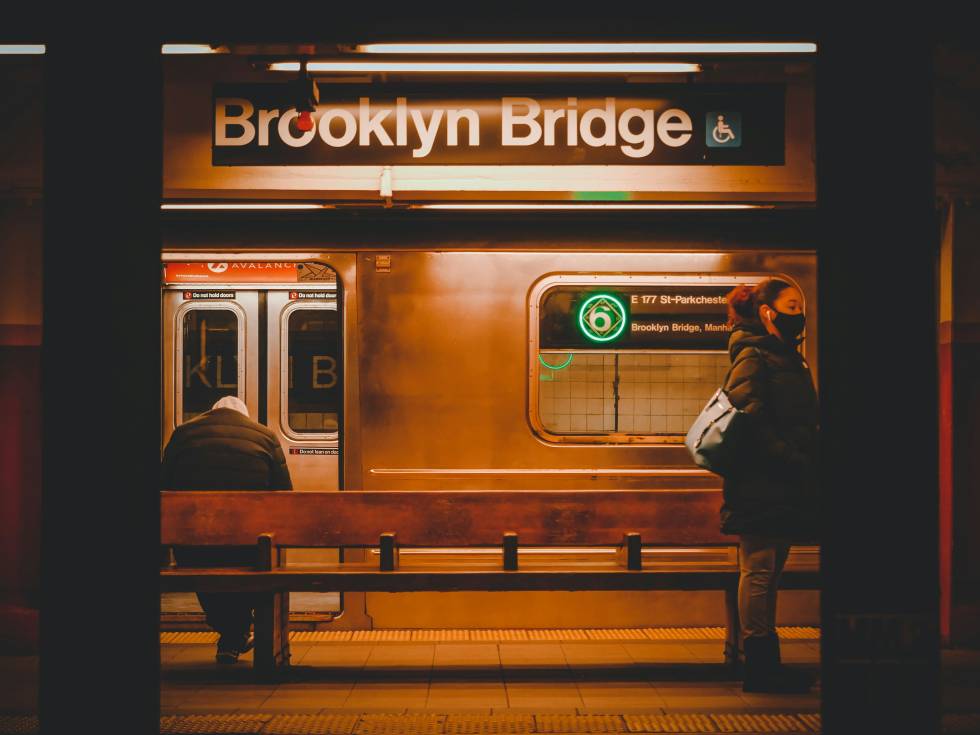
As you’d expect, New York is very well connected, with direct flights from virtually anywhere in the world. An interesting historical footnote is that much of the city’s original wealth and status came from the opening of the Erie canal in 1825, which made New York the principal trading centre for goods emanating from the American Midwest. Its subsequent importance has given rise to many other highly efficient, high-volume transport connections which make NYC not only an easy place to get to, but also a great base from which to explore the rest of the country. The subway system is also efficient (if a little confusing, and lacking in public maps) and – essential during the summer months – well air-conditioned. Taxis (and Ubers) are everywhere and easy to hire, but beware of the city’s notorious traffic jams. It is often easier, faster and frankly nicer to walk.
Cons: a hard edge
There is not much of a soft side to New York. It is a bustling, brazen business hub and its commercial hard edge is apparent everywhere. New Yorkers are famously brusque and direct, and this has led many expats to talk of alienation during their assignment. However, the entrepreneurial streak that runs through the city also brings benefits.
Pros: opportunity
There are many opportunities in New York, and nowhere is the combination of hard work and commercial acumen more admired. The days of immigrants fleeing from persecution in Europe, and stepping off a boat in the Lower East Side before seeking opportunity in this strange new metropolis are long gone, but there are countless modern-day equivalents. Immigrants now arrive from all corners of the world, many employed to work in the New York offices of the global organizations based there. A 2023 survey by Statista showed that almost 1 in 4 residents were born outside the US. So while you may experience a hard edge to the city, there will be plenty of expat compatriots to sympathize with you.
Cons: crime and firearms
Compared to other US cities, New York is not particularly dangerous. In 2021 there was one homicide for every 20,000 residents; in St. Louis there were 12. Nonetheless, European expats in particular often say they are surprised at the ubiquity of firearms and the level of violent crime reported in such a civilized city. Walking around Manhattan is perfectly safe during daylight hours but, as with all cities, there are districts to avoid, especially at night.

Pros: variety
Given its cosmopolitan population, it should be no surprise that New York is a in fact a collection of many highly distinctive districts. Expats should think carefully or take advice on where to live. Whether you want (or can afford) the gentrified surroundings of the Upper East Side or would prefer the hipster-cool of Williamsburg, there is a lot to choose from, and moving just a few blocks makes a huge difference. NY-based Australian expat Josh Pugh has published a helpful guide here.
Cons: Extremes of weather
New York’s position on the Eastern seaboard of the US may make it very conveniently located, but it also means that it sees extremes of weather. This may, of course, be seen as a blessing rather than a curse, but expats used to milder climes may be surprised that the summer months can be stiflingly hot, while there may be snow on the ground for weeks in winter. Make sure you pack accordingly.
Summary
There is a bit of everything for everyone in New York, but be ready for a city that is a no-nonsense business center rather than a place to chill out for a few years. If you can live with the cost of living, it is a great place to work, a fun place to live, and a memory that will stay with you for years to come.