The pros and cons of expat life in Singapore
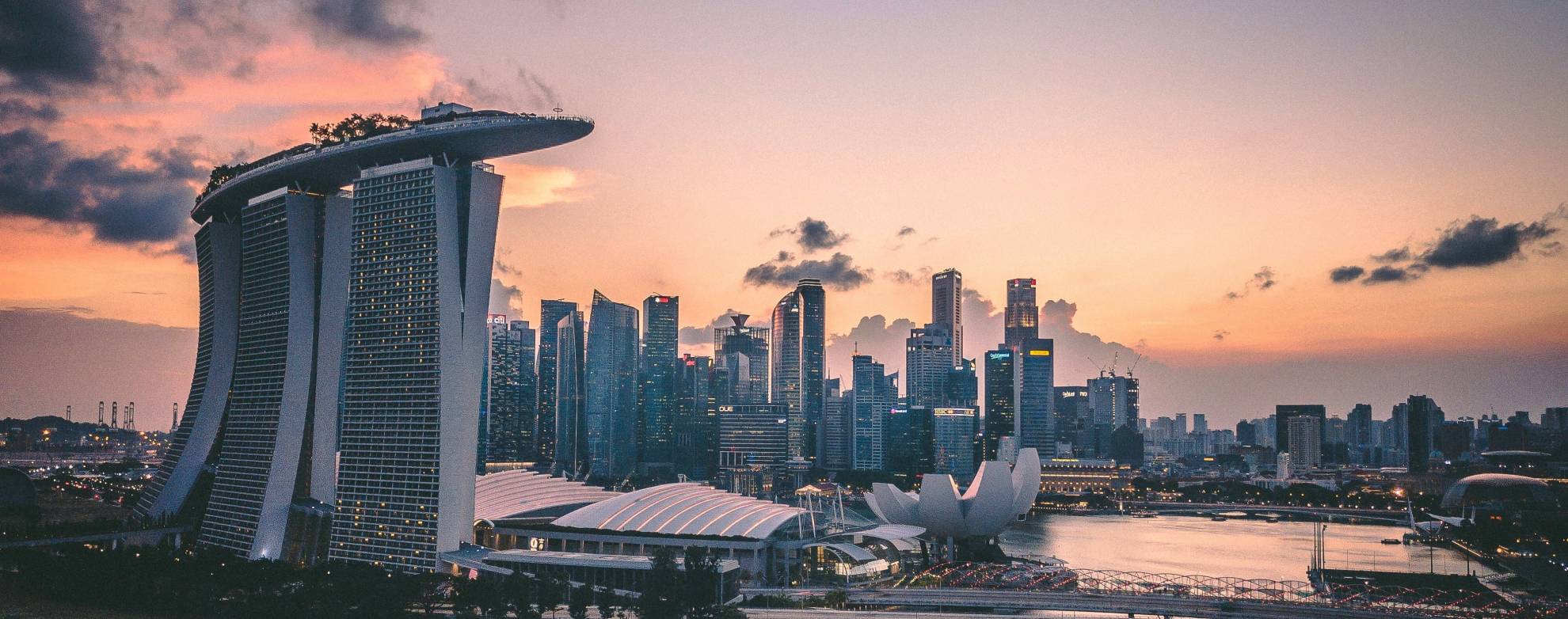
In 1819, when the British arrived, it was little more than a swamp. But it was a strategically located swamp, a key point on the trade route between India and China, and Singapore soon became a thriving trading port. As business boomed, the city grew and its population was swelled by a huge influx of immigrants from all over Asia. Singapore’s commercial influence remains strong to this day and has made it a popular expat destination. But how is life for expats? What are the pros and cons?
Pros: tailor-made for the expat
Singapore’s beginnings as a trading hub mean that the city has grown up with commerce in its blood. Large parts of its population are non-indigenous (or at least they were a generation or two ago) and it has a cosmopolitan feel that is more ‘international hub’ than ‘capital city’. It is ethnically and religiously diverse and a key base for many major multinational corporations, with the result that there are many expat opportunities here. The city is almost designed with the expat in mind.
Cons: Expensive
According to the Economist Intelligence Unit (EIU), Singapore is the world’s most expensive city to live in. Yet, once they are over the initial ‘consumer culture shock’, few expats feel the difference because typical expat salaries are so high.
However, expats willing to look around will find bargains. Singapore will charge you eye-watering prices for simple products, but it also offers excellent-value street food from ‘hawker’ stalls. One traveller noted that a 330ml can of beer cost S$13, while delicious chicken and rice was available for S$1.42!
Pros: great for travel
If your move to Singapore is your first time to the Southeast Asian region, it is a near-perfect hub for onward travel. Its heritage as a trading post means there are excellent travel connections with regular and reasonably short flights to India, China, Thailand and Australia – which is of particular benefit to adventurous-minded expats from Europe or the US. Time to tick off those bucket-list destinations while you’re out there.
Travel within Singapore is also a joy. The public transport infrastructure is modern, well-funded and well-maintained. Getting around is easy and (relatively) inexpensive, which is just as well because owning and running a car is beyond the budget of most people (even on an expat salary). Cars are not only expensive but also difficult to buy: you are not even allowed to buy one until the Singapore authorities issue you with a ‘Certificate of Entitlement’.
The favourite independent form of travel is to cycle (which in turn means that pedestrians need to be watchful of criss-crossing cycle lanes) and taxis are numerous and naturally very clean and well-maintained.
Cons: lack of variety
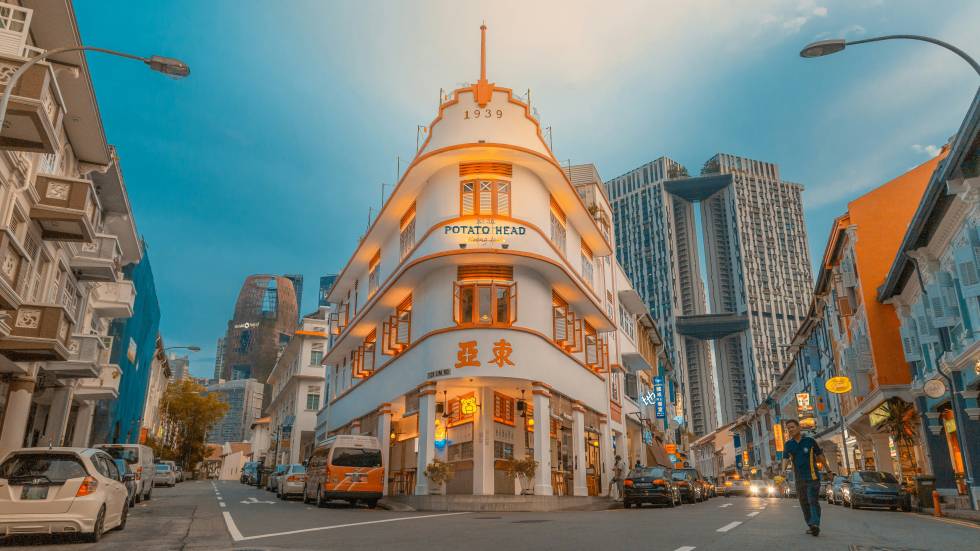
But while the local travel infrastructure is in a class of its own, there’s something missing. There’s nowhere to go. Singapore is not a big place, and some expats complain that once you’ve been there a week and visited a few shopping malls, you’ve seen it all. The shopping malls are beautifully appointed, but variety seekers will be disappointed.
The country’s size (the country and the city are more or less the same thing) also means that it is very crowded. Get used to busy roads, packed sidewalks, and endless queues – especially when something new (other than a shopping mall) opens as variety-starved expats leap at the chance to do something different.
Cons: democracy/freedom
If you are a guest in a country, many would argue that it’s not in your place to pass judgement on its style of government. But Singapore is no beacon of democracy and there is a social inequality that some will be uncomfortable with. And with an authoritarian regime comes a host of draconian rules. It is illegal to smoke in public, while vaping is outlawed altogether, with 1,656 people arrested for possession of e-vaporisers in a December 2023 crackdown. It is also forbidden to sell chewing gum, feed the pigeons, leave a public toilet unflushed, or connect to another’s wifi without permission (classified as hacking and punishable by a $10,000 fine according to the country’s Computer Misuse and Cybersecurity Act). Oh, and homosexuality is also illegal.
Pros: safety.
Singapore is a small country/city, and the strictness of the government means that it is tightly policed and there are surveillance cameras on every street corner. So while some freedoms that are honoured elsewhere in the world are not tolerated here, Singapore has a very reassuring sense of security (as long as you’re not feeding pigeons). For law-abiding expats, however, the result is that Singapore is a very clean, safe city that you can walk around in safety.
Summary
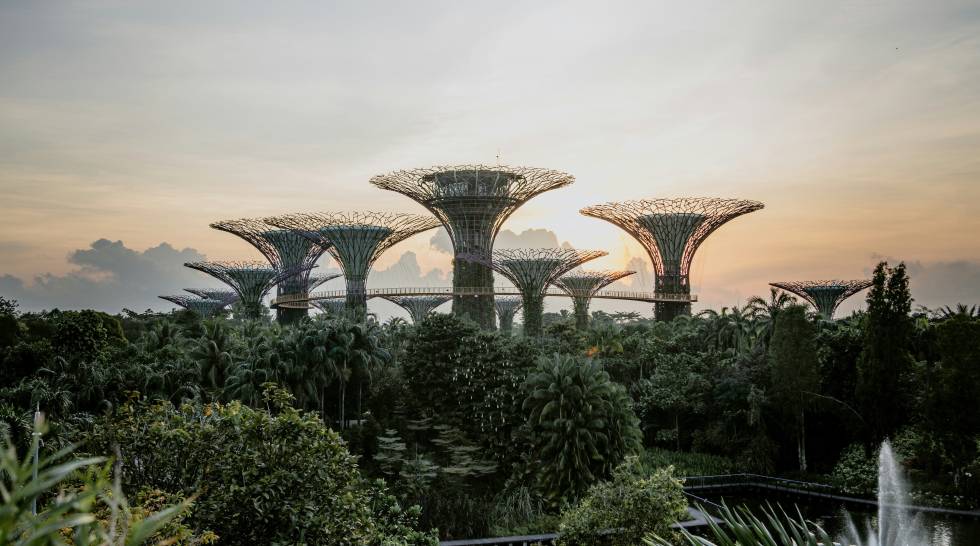
Singapore is an expat favourite, recently assessed as the No.1 expat destination in Asia. But it is sometimes viewed as rather sanitised and the strictness of the authorities is not to everyone’s taste. Our advice is to enjoy the salary, use the location to visit the rest of the region, take in the shopping malls, and remember to flush the loo.