Facing down the RMCs: why it’s time for movers to stand their ground
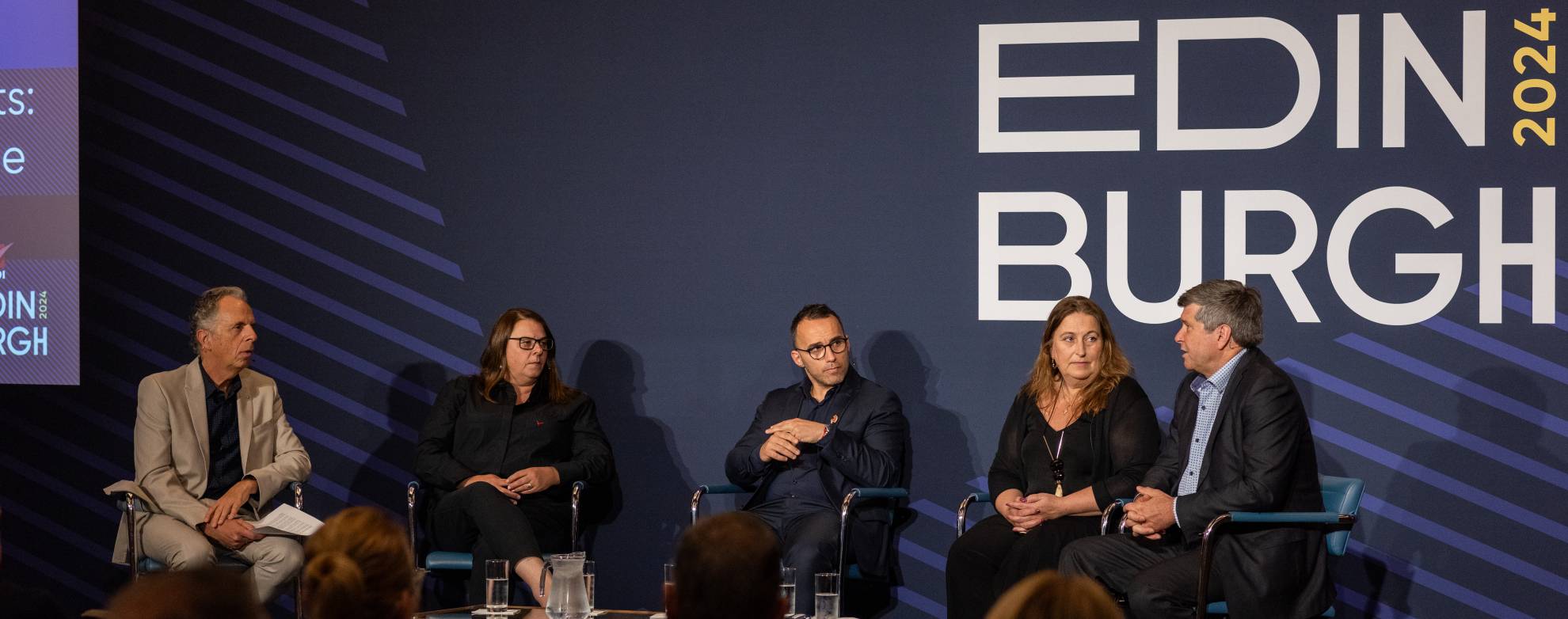
Relationships are hard, and one of the biggest challenges in any relationship is to see things from each other’s perspective. A fascinating panel discussion at the FIDI Conference in Edinburgh in May this year suggests that movers, DSPs and RMCs suffer from exactly this issue. And it could all be about to change.
The commoditisation problem
The problem facing movers, the conference heard, is that they feel that RMCs see them as a commodity. Although movers are required to jump through hoops to prove compliance and certain regulatory standards, the business usually goes to the lowest price. This is bad for movers because they are pushed to deliver unsustainably low margins. But it also bad news for RMCs, since the service ultimately delivered to their end customers is going to suffer. In short, something has to give, and there is a sense that the movers are going to need to make the first move: but it shouldn’t be to give way.
According to one panelist, Nicki French of Grace Group in Australia, it started 30 years ago when RMCs first appeared. Instead of working in partnership with them, we just allowed them to move in and gradually take over the relationship with the big corporates. We saw them as a source of business and greedily pitched for the work they put out. We ended up competing with each other and have gradually driven each other’s prices down.
But we know that services provided by movers and DSPs are not a commodity. Moving is a people business, a point neatly made by panelist Annika Roupé of Alfa Mobility in Sweden: “People do not live in warehouses. So we do not move objects – we help people move their lives. The end customer understands this because to them it is not just a table – it is their table.” This is why the service movers offer is a personal one where local, dedicated service is important. This is the true value that movers offer, but it is seldom reflected in the way that RMCs present their RFPs.

Procurement are not the bad guys
It would be wrong to underestimate procurement teams by assuming that their job is just to drive down costs. Jesse van Sas, FIDI Secretary General and moderator at the Edinburgh business session, spoke of how sophisticated and professional he had found procurement teams when he took part in a procurement training event.
But he also noted that procurement follow a brief in order to identify the right services that their organisation needs. If the mobility team tells them that a key part of the moving function is the personal, local service they provide to assignees and their families – and that this can make the difference between a successful assignment and a disastrous early return – they will look for those qualities in suppliers. If it is not mentioned, they will not see the point in paying for it.
We need to convince mobility and HR teams of the importance of our work. They should be our allies. We need them to understand the value of personal service, and this means we need to get better at selling ourselves and what we do. FIDI Academy is taking this on with new courses to help movers to get better at consultative selling. This will enable us not only to pitch the true value of what we do but also give us the courage to keep our prices sustainable.

Pick your battles
A further point made at the event by Derrick Young of Paramount Transportation Systems was that movers should pick their battles: if the relationship seems uneven, maybe we should not be in that relationship. If an RMC asks for a 24-page RFP response and that seems an onerous task for a smaller moving company or DSP, perhaps that company should not be trying to operate at that level. It may be tempting to pitch for the big contracts but it may be more sensible to focus on the bottom line. It is arguably better to have more profitable relationships with smaller customers who appreciate the value of experienced, local services and are therefore willing to pay appropriately.
A new kind of relationship
In summary, the discussion at the conference suggested that it is time for the relationship between the giant clients and RMCs and the smaller moving companies and DSPs to change. By standing our ground, movers can protect their interests but we should not see this as an “us and them” situation. We need to be bolder in stating our case and we need to get smarter at communicating the true value of the service we offer. We need to help mobility teams to convince procurement of what is really needed for a successful move – and what they should reasonably expect to pay for it.
This will, in turn, enable RMCs to offer a more effective service to the end client. It’s a partnership and we need to understand each other better. Everyone stands to benefit from a more balanced relationship – but it’s down to us to make the first move by improving the way we sell.