The pros and cons of expat life in Vienna
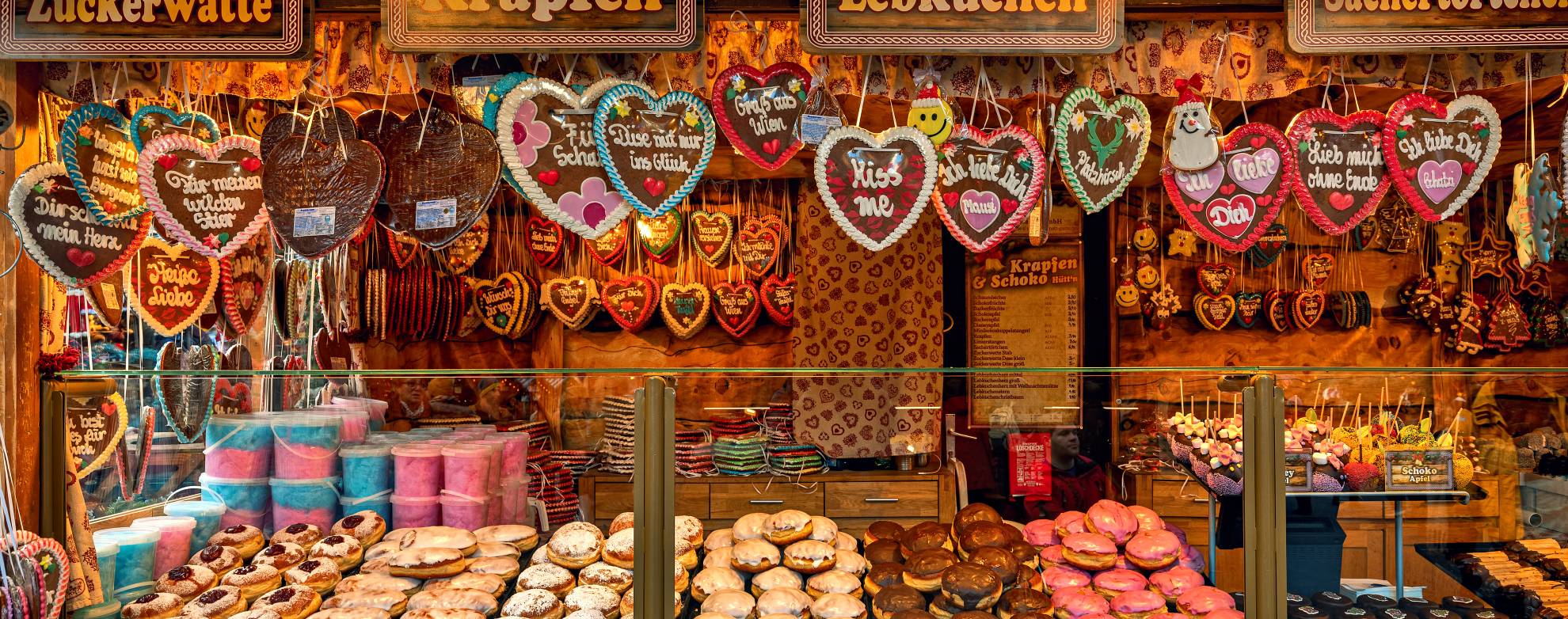
With its baroque beauty and cultural riches, Vienna is an archetypal European city, and one that always ranks highly for expats. In 2023 Mercer ranked it as No.1 in terms of quality of living for expats, while the Economist Intelligence Unit described it as the “world’s most liveable city” for the third year running. Yet it is a complex picture and if you are considering relocating here, be aware that beauty may be skin deep.
Pros: sheer quality of life
So what makes living in Vienna so great? As always, it is a combination of factors. Forbes Advisor rates it as eighth in the world in terms of work/life balance, noting that the typical Vienna employee enjoys five weeks annual leave, as well as 13 public holidays. The streets are clean and safe, and it offers expats a highly efficient and extensive public transport system and high-quality schooling and healthcare.
Another way to make people feel good is to take less of their money. Despite its cultural riches, Vienna’s typical cost of living is estimated to be 43% cheaper than London’s, and you can go anywhere on public transport for €1/day.
Cons: Not such a warm welcome?
There has, however, been some criticism of Vienna as an unwelcoming city, at least at first. Expat stories abound of spending years living in the City but making few friends outside the expat community. Despite its location and cosmopolitan history, English is not as widely spoken as in other capital cities and Vienna is not as commercially vibrant as other European hubs such as London, Frankfurt and Paris. This is not just anecdotal: an InterNations survey ranked Vienna as the world’s unfriendliest city, where 63% of respondents said it was difficult to make friends (compared to a global average of 36%).
Once (and if) accepted by the locals, you will undoubtedly enjoy it – but it may take a while, and the more ambitious expats may realise it is not the place from which to build an international career.
Pros: Cultural riches
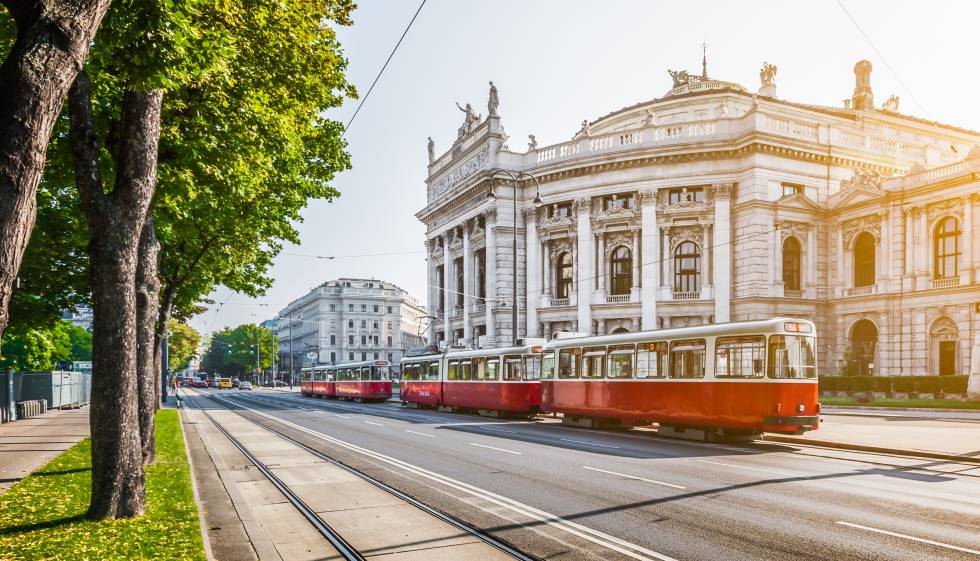
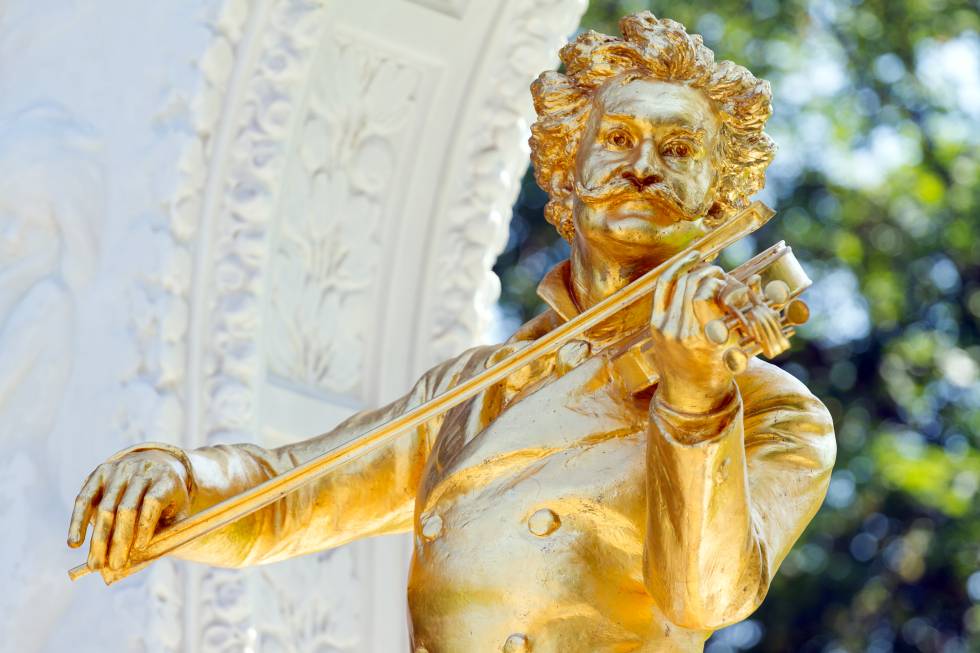
If you have an ounce of culture in your soul, you will fall instantly in love with Vienna. The patronage of the wealthy Hapsburgs in the 18th and 19th centuries made this city the beating heart of European culture, and home to many of its most noted composers from Strauss and Schubert to Mozart and Mahler. It features street after street of imposing architecture: churches, palaces, opera houses and theatres and of course the famous Viennese coffee shops, as frequented by famous former Viennese resident Sigmund Freud. Revel in the faded elegance of a truly beautiful European city.
Cons: Old-fashioned
The history that has created such a cultural marvel also creates problems for expats who are more used to more progressive locations. A common complaint amongst expats is that many shops are still closed on Sundays (although this is gradually changing) and there is an attitude to alcohol and smoking that expats may find almost anachronistic.
Pros: Location
Located in the heart of Europe, Vienna is an excellent base for European travel. It straddles Eastern and Western Europe, with close links to Italy and the Balkans on one side, but is also firmly part of the DACH (Germany, Austria, Switzerland) group of countries. Its location, along with its historical importance, has made it a key transport hub enabling easy rail and road access to the rest of the continent. Expats clearly love spending time in Vienna but if they do get bored, they have plenty of alternatives to choose from.
Cons: Long grey winters.
Sun lovers, however, may find themselves travelling South whenever they can. Vienna has long, grey winters and daily maximum temperatures in December and January barely creep above freezing. With the Alps nearby, the opportunity for winter sports may offer some compensation, but if you spend a winter in Vienna you will need to either wrap up warm or spend a lot of time in the (very cosy and beautiful) coffee shops. There are worse things to do with your time off.
Summary
The buildings, the culture and the sheer historic beauty are an obvious attraction, and provided you take enough clothing to survive an Austrian winter, there are many things to enjoy in Vienna. It is no wonder the Viennese are so proud of their city – just a shame that it sometimes feels like they’re not that keen on sharing it with everyone else.